
The opening dance sequence of James Gunn’s Peacemaker has become a signature element of the show, known for its quirky choreography and infectious energy. However, recent scrutiny has led to allegations of hidden Nazi symbols within the routine, igniting a controversy that has quickly spread across social media and entertainment news outlets.
These allegations have prompted heated discussions about artistic intent, historical sensitivity, and the potential for subliminal messaging in popular media. As the debate intensifies, some are calling for the sequence to be altered or removed entirely, while others defend it as a misinterpretation or an intentional provocation.
The Allegations: Hidden Symbols in Plain Sight?
The controversy centers around specific movements and formations within the Peacemaker intro dance. Critics claim that certain poses and groupings of dancers resemble symbols associated with Nazi ideology, such as the swastika or the SS lightning bolts. These claims have been amplified by online videos and image comparisons that highlight the alleged similarities.
Specific Movements Under Scrutiny
Several specific moments in the dance have come under particular scrutiny. One involves a brief arm gesture that some viewers interpret as a stylized Sieg Heil salute. Another point of contention is a formation where dancers appear to create a shape resembling a swastika through their positioning on the stage.
It’s important to note that these interpretations are subjective and not universally accepted. Many viewers argue that the perceived similarities are coincidental or the result of pareidolia, the human tendency to see patterns in random stimuli. However, the persistence of these allegations has forced a broader conversation about the potential for unintended or subconscious messaging in art.
The Spread of the Controversy
The initial allegations quickly gained traction on social media platforms like Twitter and TikTok. Users shared screenshots and video clips, dissecting the dance sequence frame by frame. The hashtag #PeacemakerNaziSymbols began trending, amplifying the controversy and attracting the attention of mainstream media outlets.
News articles and opinion pieces explored the allegations, presenting both sides of the argument. Some commentators condemned the alleged symbols as offensive and insensitive, while others defended the show’s artistic license and questioned the validity of the interpretations. The debate continues to unfold, with no clear consensus in sight.
James Gunn’s Response and Artistic Intent
James Gunn, the creator of Peacemaker, has yet to directly address the specific allegations of Nazi symbols in the dance sequence. However, he has previously discussed his approach to the show’s intro and its evolving nature throughout the series.
The Evolving Intro Sequence
Gunn has stated that the Peacemaker intro is designed to be dynamic and adaptable, reflecting the changing themes and character arcs of each season. He has suggested that the intro sequence may undergo alterations in future episodes, potentially incorporating new elements or subtly shifting existing ones.
In an interview, Gunn explained that the intro is intended to be more than just a catchy opening; it’s a thematic statement about the show’s tone and its exploration of complex moral issues. Whether the allegations of Nazi symbols will influence future changes to the intro remains to be seen.
Intentional Provocation vs. Unintentional Messaging
One of the key questions surrounding the controversy is whether the alleged symbols were intentionally included as a form of provocation or satire. Gunn is known for his subversive humor and his willingness to tackle controversial topics in his work. It’s possible that the alleged symbols, if present, were intended to be a commentary on extremism or the dangers of unchecked power.
However, it’s also possible that the symbols are entirely unintentional, arising from unconscious biases or misinterpretations of movement and form. Regardless of the intent, the controversy highlights the importance of considering the potential impact of visual imagery and the responsibility of artists to be mindful of historical and cultural sensitivities.
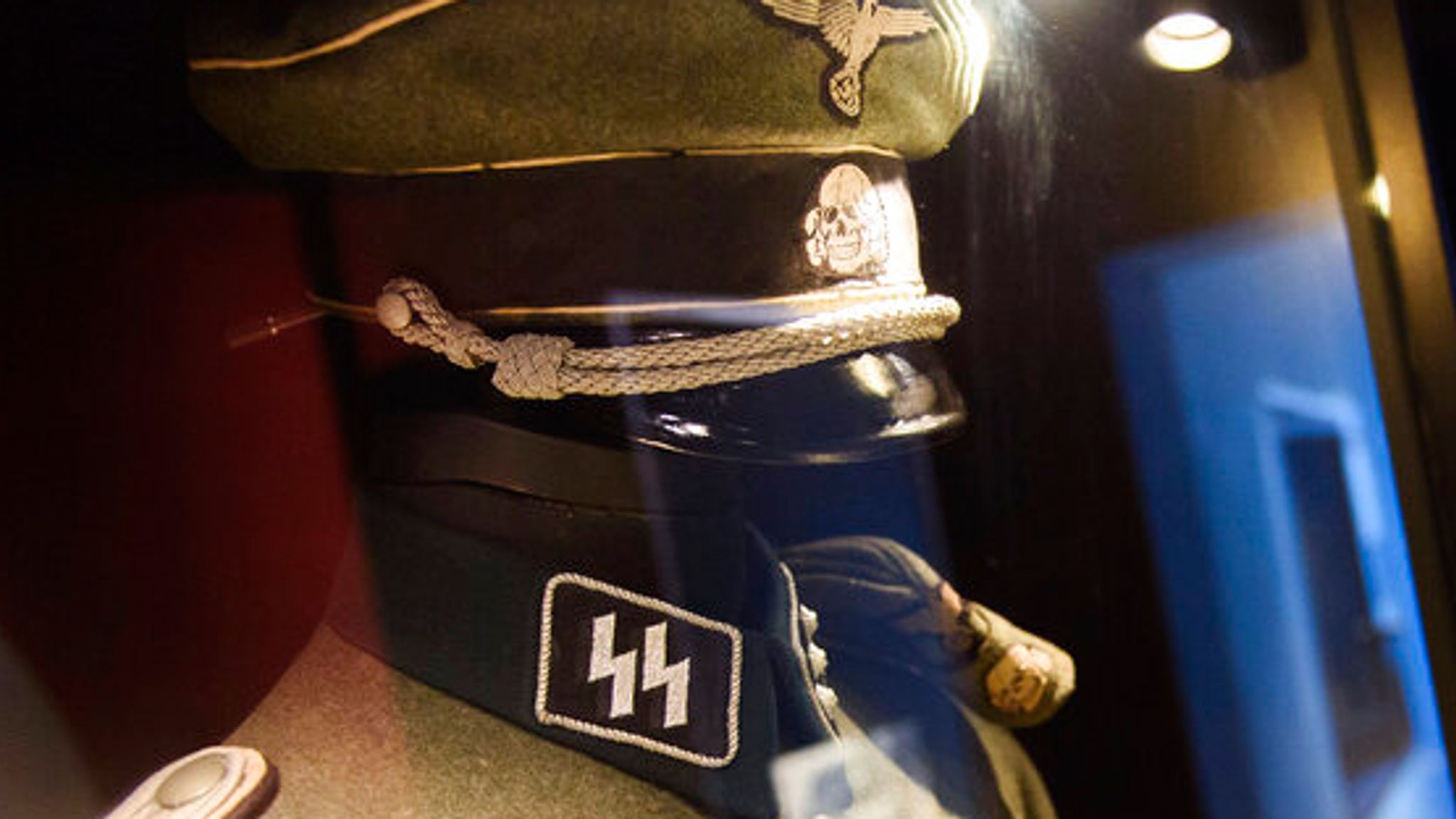
An illustration depicting the type of Nazi symbols that some viewers allege are subtly embedded within the Peacemaker intro dance, leading to debates about artistic intent and historical sensitivity and prompting some to consider the possibility of Nazi Symbols Found Hidden In James Gunn’s Peacemaker Dance, Now Being Banned.
Historical Context and Sensitivity
The allegations of Nazi symbols in Peacemaker have resonated deeply due to the profound historical significance and enduring trauma associated with Nazi ideology. The swastika and other symbols of the Nazi regime represent a period of unprecedented violence, oppression, and genocide.
The Enduring Impact of Nazi Symbolism
For survivors of the Holocaust and their descendants, Nazi symbols serve as a constant reminder of the atrocities committed during World War II. The display or promotion of these symbols can be deeply offensive and triggering, perpetuating the pain and suffering of the past.
Even for those without a direct connection to the Holocaust, Nazi symbols represent a rejection of fundamental human values and a threat to democratic principles. The use of these symbols, whether intentional or unintentional, can contribute to the normalization of hate speech and the spread of extremist ideologies.
The Responsibility of Artists and Entertainers
Given the sensitive nature of Nazi symbolism, artists and entertainers have a responsibility to be mindful of the potential impact of their work. While artistic expression should not be unduly restricted, it’s crucial to consider the historical context and the potential for harm when dealing with such loaded imagery.
This responsibility extends beyond the explicit use of Nazi symbols to include subtle or implied references that could be interpreted as endorsements or trivializations of Nazi ideology. Artists must be aware of the power of visual communication and the potential for their work to be misinterpreted or misused.
Reactions and Calls for Action
The controversy surrounding the alleged Nazi symbols in Peacemaker has elicited a wide range of reactions, from outrage and condemnation to skepticism and defense. Several organizations and individuals have called for action, demanding that the intro sequence be altered or removed.
Online Petitions and Boycotts
Online petitions have been launched, urging HBO Max to remove the Peacemaker intro and issue a public apology. Some viewers have threatened to boycott the show and the streaming service if their demands are not met. These actions reflect the depth of feeling surrounding the controversy and the desire for accountability.
While the impact of these petitions and boycotts remains to be seen, they demonstrate the power of collective action and the ability of viewers to influence the content they consume. The controversy serves as a reminder that artists and media companies are subject to public scrutiny and must be responsive to concerns about offensive or harmful content.
Potential Legal and Ethical Implications
The use of Nazi symbols, even in a potentially satirical or artistic context, can have legal and ethical implications. In some countries, the display of Nazi symbols is explicitly prohibited by law. Even in countries where it is not illegal, the use of such symbols can be considered hate speech and may violate community standards on social media platforms.
From an ethical standpoint, the use of Nazi symbols raises questions about the responsibility of artists to avoid causing offense or harm. While freedom of expression is a fundamental right, it is not absolute and must be balanced against the rights and sensitivities of others. The Peacemaker controversy highlights the complexities of navigating these issues in the context of popular entertainment.
The Future of the Peacemaker Intro
The ongoing controversy surrounding the alleged Nazi symbols in Peacemaker raises questions about the future of the show’s intro sequence. Will James Gunn and HBO Max respond to the criticism by altering or removing the dance routine? Or will they stand by their artistic vision and risk further controversy?
Possible Scenarios and Outcomes
Several possible scenarios could unfold in the coming weeks and months. One possibility is that Gunn and HBO Max will issue a statement addressing the allegations and explaining their intent behind the intro sequence. They may also choose to subtly alter the dance routine to remove any ambiguity or potential for misinterpretation.
Another possibility is that they will remain silent and allow the controversy to die down on its own. This approach carries the risk of alienating some viewers and damaging the show’s reputation. However, it may also be seen as a defense of artistic freedom and a rejection of censorship.
The Broader Implications for Artistic Expression
The Peacemaker controversy has broader implications for artistic expression and the boundaries of satire. It raises questions about the extent to which artists should be held accountable for the potential interpretations of their work and the degree to which historical sensitivities should constrain creative freedom.
Ultimately, the resolution of this controversy will depend on a complex interplay of factors, including artistic intent, public perception, and legal and ethical considerations. The outcome will likely shape the future of Peacemaker and influence the way artists approach sensitive topics in their work.
James Gunn has discussed how the intro sequence changes throughout season 2. related coverage may shed light on his future plans for the opening.
Key Takeaways
- Allegations of hidden Nazi symbols in the Peacemaker intro dance have sparked controversy.
- James Gunn has yet to directly address the specific allegations.
- The controversy raises questions about artistic intent, historical sensitivity, and the potential for subliminal messaging.
- Online petitions and calls for action demand the alteration or removal of the intro sequence.
- The outcome could have broader implications for artistic expression and the boundaries of satire.
FAQ
What are the specific allegations against the Peacemaker intro?
Some viewers claim that certain movements and formations in the dance resemble Nazi symbols, such as the swastika or SS lightning bolts.
Has James Gunn responded to the allegations?
As of now, James Gunn has not directly addressed the specific allegations of Nazi symbols in the dance sequence.
What actions are people taking in response to the controversy?
Online petitions have been launched, urging HBO Max to remove the intro. Some viewers have threatened to boycott the show.
What are the potential legal implications of using Nazi symbols?
In some countries, the display of Nazi symbols is illegal. Even where it isn’t, it can be considered hate speech and violate community standards.
What is the historical context of Nazi symbolism?
Nazi symbols represent a period of unprecedented violence, oppression, and genocide. They can be deeply offensive and triggering, perpetuating the pain and suffering of the past.
How might this controversy affect the future of Peacemaker?
The controversy could lead to alterations in the intro sequence or a broader discussion about artistic responsibility and the use of sensitive imagery.
The controversy surrounding the alleged Nazi symbols in Peacemaker’s intro dance serves as a potent reminder of the power of visual communication and the importance of historical sensitivity. Whether intentional or not, the allegations have sparked a critical dialogue about artistic responsibility and the potential for unintended messaging in popular culture. As the debate continues, it remains to be seen how James Gunn and HBO Max will respond and what impact this controversy will have on the future of the show. One potential next step is to engage in respectful dialogue with community leaders and historical experts to gain a deeper understanding of the potential impact of the imagery and to explore ways to move forward in a way that is both artistically responsible and sensitive to the concerns of the public.

/cdn.vox-cdn.com/uploads/chorus_image/image/73475335/1245813661.0.jpg "Bland Eager to Rejoin Diggs, Bolster Cowboys Defense")
/cdn.vox-cdn.com/uploads/chorus_image/image/72737123/1725093269.0.jpg "Turpin Time? Cowboys WR Depth Tested Amid Lamb Struggles")
