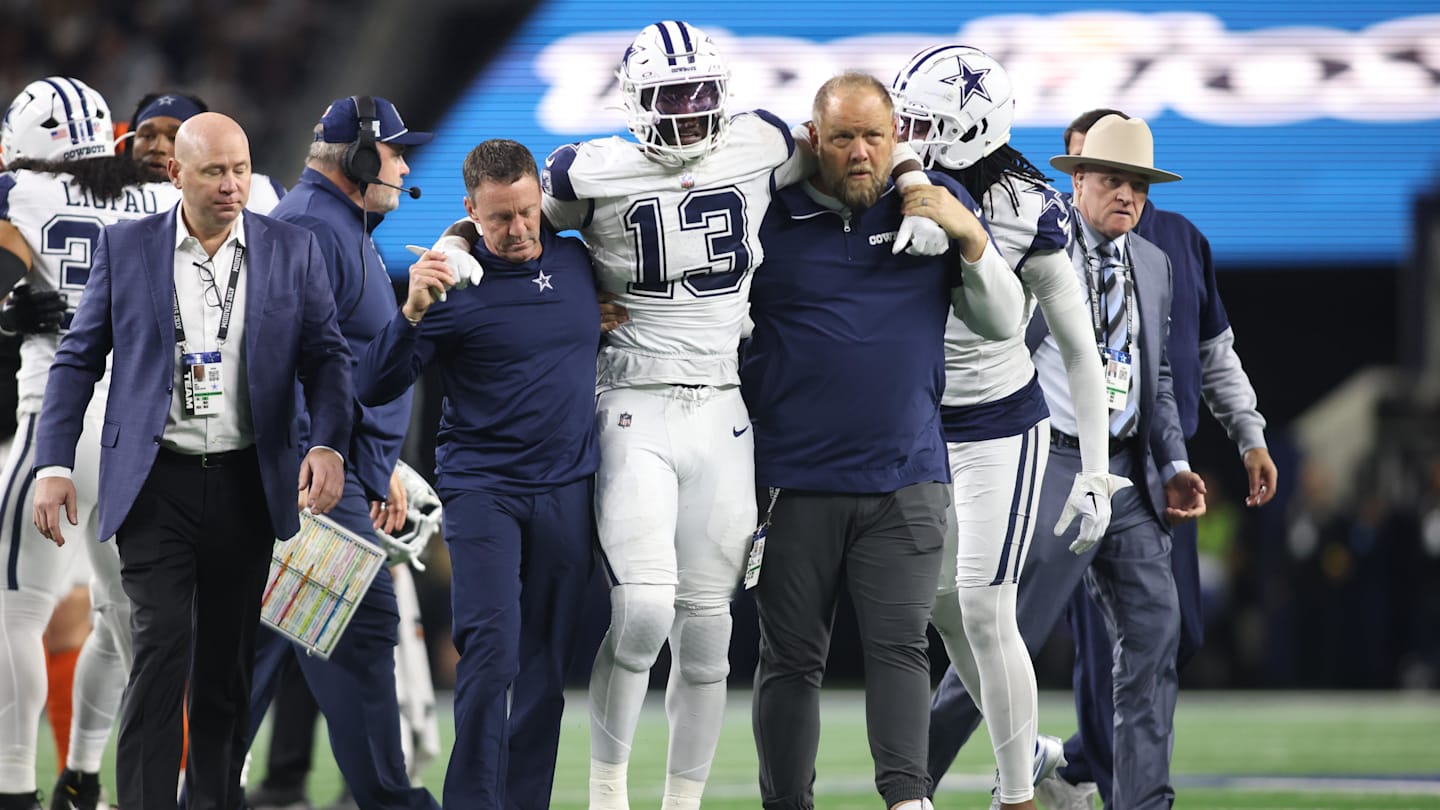
The Dallas Cowboys defense is a complex machine, constantly being tweaked and adjusted to maximize its effectiveness. One area that has drawn scrutiny is the linebacker corps, particularly the utilization of Marist Liufau. While he’s shown flashes of potential, many believe he’s not being used in a way that best suits his skill set. The question isn’t just about giving him more snaps; it’s about putting him in a position to truly thrive.
Is Liufau simply a victim of a crowded linebacker room, or is there a deeper issue at play? Could a strategic position shift unlock a new level of performance and transform him into a key contributor for the Cowboys defense?
The Case for More Snaps
Limited Opportunities, Limited Impact
Liufau’s playing time has been a point of contention. Despite demonstrating promise in limited appearances, he hasn’t consistently seen the field. This lack of consistent snaps hinders his ability to develop a rhythm and showcase his full potential. The argument for more snaps centers around the idea that increased exposure will allow him to gain valuable experience and contribute more meaningfully to the defense.
However, simply increasing his snap count without addressing the underlying issues of his role and fit within the defensive scheme may not be enough. He needs to be put in situations where his strengths can be maximized.
Earning His Place
It’s important to acknowledge that playing time is earned, not given. Liufau needs to continue to impress coaches in practice and make the most of every opportunity he gets on the field. Showing a strong understanding of the defense, demonstrating consistent execution, and making impactful plays are all crucial for earning a larger role.
The coaching staff has a responsibility to evaluate his performance objectively and provide him with the necessary coaching and guidance to improve. A fair assessment of his abilities and potential is essential for making informed decisions about his role on the team.
The Argument for a Position Shift
Unlocking Hidden Potential
The idea of a position shift stems from the belief that Liufau’s current role doesn’t fully utilize his unique skill set. Perhaps he possesses qualities that would be better suited for a different position within the defense. This could involve moving him to a role with different responsibilities, allowing him to leverage his strengths in new and impactful ways.
Identifying the optimal position requires a thorough evaluation of his physical attributes, football IQ, and overall skill set. It also involves considering the specific needs and demands of the Cowboys’ defensive scheme.
Identifying the Ideal Fit
Determining the right position shift requires careful consideration. Is he better suited as an edge rusher, utilizing his speed and athleticism to pressure the quarterback? Or would he be more effective as a coverage linebacker, using his agility and awareness to defend against the pass? These are the types of questions that need to be answered through film study, practice observations, and open communication between the player and the coaching staff.
A successful position shift can be a game-changer, transforming a player from a marginal contributor into a valuable asset. However, it’s a process that requires patience, experimentation, and a willingness to embrace change.
Analyzing Liufau’s Skill Set
Strengths and Weaknesses
A comprehensive evaluation of Liufau’s strengths and weaknesses is crucial for determining his optimal position. Does he excel at tackling in the open field? Is he a strong pass rusher? Does he possess the agility and awareness to excel in coverage? Identifying his key attributes will provide valuable insights into where he can be most effective.
Addressing his weaknesses is equally important. Does he struggle with shedding blocks? Does he need to improve his understanding of defensive schemes? By focusing on areas for improvement, the coaching staff can help him develop into a more well-rounded player.
Comparing Him to Others
Comparing Liufau to other linebackers on the roster can provide valuable context. How does he stack up against his teammates in terms of speed, strength, and agility? What are his unique attributes that set him apart? By understanding his strengths and weaknesses relative to his peers, the coaching staff can make informed decisions about his role and playing time.
Furthermore, studying the film of successful linebackers in similar roles can provide valuable insights into the techniques and strategies that he can emulate. Learning from the best can accelerate his development and help him reach his full potential.
The Coaching Staff’s Responsibility
Clear Communication and Expectations
Open and honest communication between the coaching staff and Liufau is essential. He needs to understand his role within the defense, what is expected of him, and how he can improve. Providing him with clear and constructive feedback will help him develop and grow as a player.
The coaching staff also needs to be receptive to his input. He may have valuable insights into his own strengths and weaknesses, and his perspective should be taken into consideration when making decisions about his role and position.
Developing a Plan for Success
A well-defined plan for Liufau’s development is crucial. This plan should outline specific goals, identify areas for improvement, and provide a roadmap for achieving those goals. It should also include regular evaluations to track his progress and make adjustments as needed.
The plan should be tailored to his individual needs and skill set. There is no one-size-fits-all approach to player development. By creating a customized plan, the coaching staff can maximize his potential and help him become a valuable asset to the team.
Potential Position Shifts Explored
From Inside to Outside Linebacker
One potential position shift could involve moving Liufau from inside linebacker to outside linebacker. This would allow him to utilize his speed and athleticism to rush the passer and set the edge against the run. It would also require him to develop his pass coverage skills and learn how to read offensive formations from a different perspective.
This move could be particularly beneficial if the Cowboys are looking for a more versatile linebacker who can contribute in multiple ways. It would also allow them to utilize his strengths in a more impactful role.
Special Teams Ace
Another option could be to focus on developing Liufau as a special teams ace. This would allow him to utilize his speed and tackling ability to make an impact on kickoffs and punts. It would also provide him with valuable playing time and experience while he continues to develop his skills as a linebacker.
Many players have carved out successful careers as special teams specialists. This could be a viable option for Liufau if he is willing to embrace the role and dedicate himself to excelling in that area.
Marist Liufau could significantly benefit from a strategic position change to maximize his potential within the Dallas Cowboys defense, addressing the question of whether the Cowboys’ LB-in-waiting doesn’t just need more snaps, he needs a position shift.
The Impact of Coaching Changes
New Perspectives, New Opportunities
Coaching changes can often lead to new opportunities for players. A new coaching staff may have a different perspective on a player’s abilities and potential, and they may be more willing to experiment with different roles and positions. This could be a significant benefit for Liufau, as a new coaching staff may see him in a different light and provide him with a fresh start.
It’s important for players to embrace change and be open to new ideas when a new coaching staff takes over. This is an opportunity to impress the new coaches and demonstrate their value to the team.
Learning a New System
Learning a new defensive system can be challenging, but it can also be a valuable learning experience. It forces players to adapt and learn new techniques and strategies. This can make them more versatile and well-rounded players.
Liufau should embrace the opportunity to learn a new system and demonstrate his ability to adapt and learn quickly. This will impress the coaching staff and increase his chances of earning a larger role on the team.
The Week 1 Conundrum
Snap Count Discrepancies
The snap counts during Week 1 of the season raised eyebrows, particularly concerning the linebackers. Some players saw significantly more playing time than others, leading to questions about the coaching staff’s evaluation and utilization of the linebacker corps. The distribution of snaps often dictates a player’s ability to impact the game, making fair allocation crucial.
Matt Eberflus faced scrutiny regarding the linebacker snap counts, with many questioning the rationale behind the decisions. The lack of playing time for certain players fueled speculation about their standing within the team and the coaching staff’s long-term plans for them. Related coverage highlighted the need for Eberflus to address these concerns and provide clarity on the team’s linebacker strategy.
Addressing the Imbalance
To address the imbalance in snap counts, the coaching staff needs to clearly communicate their expectations and rationale to the players. This transparency can help players understand their roles and work towards earning more playing time. It also fosters a sense of fairness and trust within the team.
Furthermore, the coaching staff should continuously evaluate the players’ performance in practice and games to make informed decisions about snap allocation. This ongoing assessment ensures that the most deserving players are on the field, maximizing the team’s chances of success.
Liufau vs. The Giants: A Missed Opportunity?
The Case for More Playing Time
The game against the New York Giants presented an opportunity to give Liufau more playing time and evaluate his potential in a live game situation. However, he saw limited action, leaving many wondering why the coaching staff didn’t take advantage of the chance to assess his abilities.
Giving him more snaps against the Giants would have provided valuable insights into his readiness to contribute to the defense. It would have also allowed him to gain valuable experience and build confidence. The decision not to increase his playing time raised questions about the coaching staff’s commitment to developing him.
Looking Ahead
Moving forward, the coaching staff should be more proactive in finding opportunities to give Liufau meaningful playing time. This could involve incorporating him into specific defensive packages or giving him more snaps in situations where his strengths can be utilized. The goal should be to provide him with a fair chance to prove himself and contribute to the team’s success.
It’s important to remember that player development is a long-term process. It requires patience, dedication, and a willingness to invest in the players’ growth. By providing Liufau with the necessary opportunities and support, the Cowboys can unlock his full potential and turn him into a valuable asset to the team.
Key Takeaways
- Marist Liufau’s potential may be better realized through a strategic position shift.
- Increased snap counts alone may not be sufficient; a defined role is crucial.
- Coaching staff communication and a clear development plan are essential.
- Evaluating his skill set and comparing him to other linebackers is necessary.
- Special teams could be a viable avenue for increased playing time.
FAQ
Why is Liufau not getting more snaps?
Several factors could contribute to Liufau’s limited playing time, including competition at the linebacker position, his performance in practice, and the coaching staff’s evaluation of his readiness. The distribution of snaps is a complex decision-making process that takes into account various factors.
What positions could Liufau potentially play?
Potential position shifts could include moving him from inside linebacker to outside linebacker, focusing on his development as a special teams ace, or exploring other roles that better utilize his unique skill set. The ideal position depends on his strengths and weaknesses, as well as the team’s needs.
How important is communication between Liufau and the coaching staff?
Open and honest communication is crucial for Liufau’s development. He needs to understand his role, what is expected of him, and how he can improve. The coaching staff also needs to be receptive to his input and provide him with constructive feedback.
What role do coaching changes play in a player’s development?
Coaching changes can create new opportunities for players. A new coaching staff may have a different perspective on a player’s abilities and potential, and they may be more willing to experiment with different roles and positions. Players should embrace change and be open to new ideas.
How did the Week 1 snap counts impact the linebacker situation?
The snap counts during Week 1 raised eyebrows, particularly concerning the linebackers. Some players saw significantly more playing time than others, leading to questions about the coaching staff’s evaluation and utilization of the linebacker corps.
What can Liufau do to earn more playing time?
Liufau can earn more playing time by consistently impressing coaches in practice, making the most of every opportunity he gets on the field, showing a strong understanding of the defense, demonstrating consistent execution, and making impactful plays.
Conclusion
The Dallas Cowboys have a promising talent in Marist Liufau, but unlocking his full potential requires a strategic approach. Simply increasing his snap count may not be enough. A well-considered position shift, coupled with clear communication and a dedicated development plan, could be the key to transforming him into a valuable asset for the defense. The Cowboys should consider exploring different roles for Liufau, allowing him to leverage his strengths and contribute more effectively to the team’s success. The question isn’t just about more snaps, but about the *right* snaps in the *right* position. The next step is a thorough evaluation and a willingness to experiment.